

5 Steps to Value Vintage Ceramic Molds Accurately
Last Updated: October 26, 2026
Quick Summary
To value vintage ceramic molds accurately, start by assessing condition and identifying the maker through marks and research, then find comparable sales prices from completed transactions to establish real market value rather than asking prices.
- Examine molds under bright light for chips, cracks, pinholes, and seam integrity issues that affect value
- Look for incised initials, stamped marks, printed labels, mold numbers, and country of origin stamps to identify makers
- Research when specific mold companies produced each design to date your piece accurately
- Track comparable sales across multiple platforms using a spreadsheet with maker, size, condition, and actual sale prices
- Distinguish between asking prices and realized sale prices, as multiple consistent sales establish true market value
Table of Contents
- Assessing Mold Condition and Wear
- How to Identify Vintage Ceramic Molds by Maker and Type
- Understanding Vintage Ceramic Mold Values Through Demand and Rarity
- Finding Comparable Sales and Market Pricing
- How to Sell Vintage Ceramic Molds: Individual, Set, or Related Pieces
- Ceramic Mold Condition and Repair: When to Restore or Sell As-Is
- Getting Your Molds Appraised and Listed
- Frequently Asked Questions
Assessing Mold Condition and Wear
The first step to value vintage ceramic molds accurately is understanding how condition affects market value. A mold in excellent shape commands significantly higher prices than one with visible damage.
Condition determines whether a mold can still produce quality castings. Even small flaws impact the finished piece.
Surface Damage: Chips, Cracks, and Pinholes
Examine the entire surface of your vintage ceramic mold under bright light. Look for these common issues:
- Chips along edges or the mold cavity opening
- Cracks running through the plaster body
- Pinholes (tiny holes in the plaster surface)
- Surface wear from repeated use and cleaning
- Discoloration or staining that affects appearance
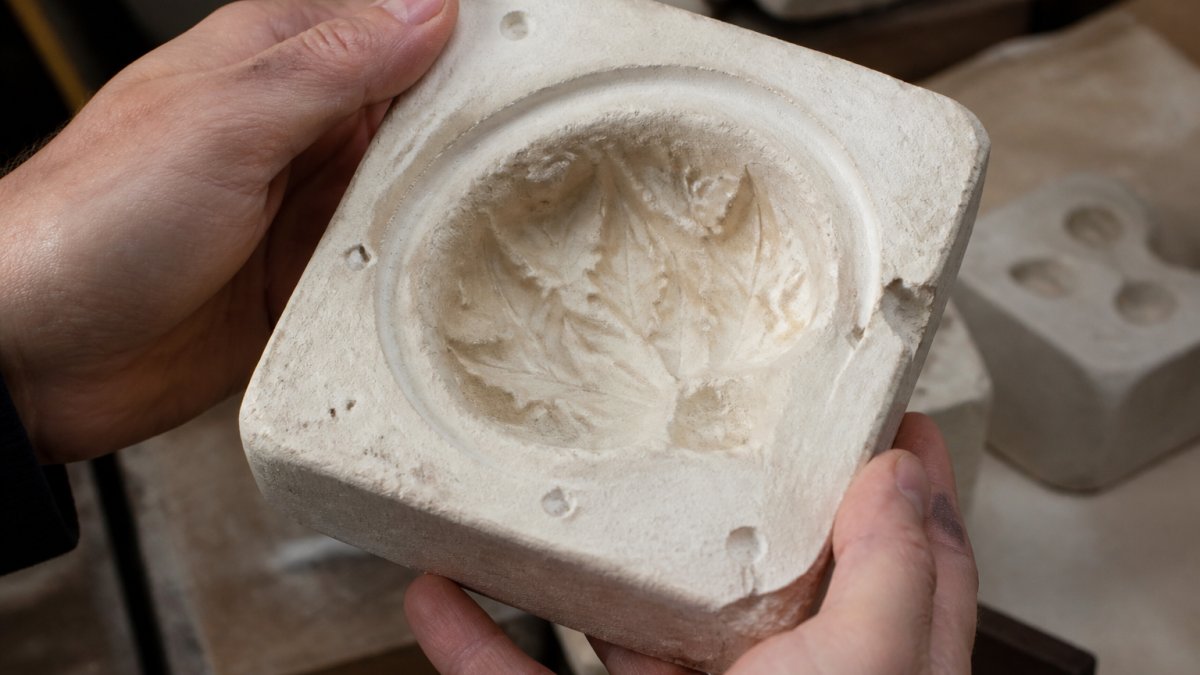
Mold Cavity and Seam Integrity
Check for these specific issues:
- Seam alignment problems or shifting
- Cracks running along seam lines
- Erosion that prevents tight closure
- Warping or distortion of the mold shape
How to Identify Vintage Ceramic Molds by Maker and Type
Identifying who made your mold and when it was produced is crucial for valuation. Understanding what you have is the second essential step.
Recognizing Maker Marks and Initials
- Incised initials or names pressed into the plaster
- Stamped marks showing the maker or mold line
- Printed labels (often faded or worn away)
- Mold numbers that correspond to maker catalogs
- Country of origin stamps required for imports
Understanding maker marks requires some research. Not every mark is obvious. Some makers used subtle initials. Others used numbers only. Cross-reference any marks you find with collector guides or online resources dedicated to specific mold companies.
Dating and Provenance
Once you identify the maker, research when they produced that specific mold.
Several factors help with dating:
-
Design style and trends (Art Deco, mid-century modern, 1970s kitsch)
-
Mold cavity design (styles evolved over decades)
Research the specific mold company's history. When did they start? When did they stop production? What designs were popular in each decade? This context helps you date your piece accurately.
Understanding Vintage Ceramic Mold Values Through Demand and Rarity
Market value depends on two factors: how many collectors want it and how hard it is to find. A common mold that thousands were produced sits in value. A discontinued design that collectors actively seek commands premium prices.
Collector Demand and Design Popularity
Collector communities actively trade and discuss specific molds. Online forums, social media groups, and collector networks reveal what's hot. If you see multiple people seeking a particular mold, demand is high. If nobody mentions it, demand is likely low.
Rarity, Discontinuation, and Style Trends
Research whether your mold is still in production. Learn where to find discontinued molds and how discontinuation affects their value. Check current listings to see if a mold is still available.
Finding Comparable Sales and Market Pricing
The most reliable way to value vintage ceramic molds is finding what similar pieces actually sold for recently. Asking prices don't always reflect real market value. You need realized sale prices from completed transactions. Broadening this research beyond individual molds provides a more comprehensive framework for valuing items for sale when settling an entire estate.
Asking Price Versus Realized Sale Price
Look for patterns across multiple sales. If five similar Holland Mold figurines sold between $25-35, that's your market range. One outlier sale at $60 doesn't reset the market. Multiple consistent sales establish the real value.
Using Online Marketplaces and Thrifting Data
Create a simple spreadsheet tracking comparable sales:
- Mold maker and design name
- Size and type (figurine, planter, etc.)
- Condition rating
- Asking price
- Actual sale price (when known)
- Sale date
- Platform (online marketplace, estate sale, etc.)
Track these details when researching what similar molds have actually sold for.
| Detail to Track | Purpose |
|---|---|
| Mold maker and design name | Identify the specific piece |
| Size and type | Match comparable molds |
| Condition rating | Account for wear and damage |
| Asking price | Distinguish from actual sales |
| Actual sale price | Establish real market value |
| Sale date | Ensure current market data |
| Platform | Understand market sources |
How to Sell Vintage Ceramic Molds: Individual, Set, or Related Pieces
Related pieces group well together. All figurine molds, all holiday molds, or all pieces from one maker create natural collections. Buyers looking for specific themes find these groupings attractive.
Packaging, Shipping, and Condition Documentation
Provide clear photos of maker marks and the mold cavity. Show the mold from multiple angles. Close-up images of any damage help set expectations. Quality photos increase buyer confidence and support higher prices.
Ceramic Mold Condition and Repair: When to Restore or Sell As-Is
Consider your target buyer. Working potters need functional molds. Repairs that restore usability add value for this market. Collectors seeking display pieces may prefer original condition, even with flaws. Tailor your restoration approach to your intended audience.
Getting Your Molds Appraised and Listed
The Smithsonian's guide to evaluating decorative arts provides framework for assessing vintage objects. Consider consulting resources specific to ceramic arts and pottery history.
Backwoods Ceramics and Molds maintains available molds with pricing.
Valuing vintage ceramic molds requires patience and research. Start by honestly assessing what you have. Whether you're selling individual pieces, complete sets, or building a collection, research the details relevant to your plans. Subscribe to our emails to stay updated on vintage mold availability.
Frequently Asked Questions
How can I identify the maker of a vintage ceramic mold?
Common vintage brands include Holland Mold, Ocean State, Nowell, and Gare.
What makes a vintage ceramic mold valuable?
Rarity, collector demand, and design desirability drive value. Discontinued mold lines from respected makers command higher prices. Molds that produce popular figurine designs, holiday pieces, dolls, or handmade pottery styles, attract strong demand. Condition matters significantly: a usable multi-part mold with clean cavities and intact seams is worth more than one with chips or pinholes that affect casting performance. Provenance and authenticity also influence market value.
How does the condition of a ceramic mold affect its value?
Condition is critical to resale value. A mold in excellent condition with no chips, cracks, or pinholes can command full market price. Surface wear and minor damage reduce value by 20-40%. Significant cracks that run through the cavity, broken seams on multi-part molds, or extensive pinholes that interfere with slip casting may cut value in half or make the mold unsuitable for collectors seeking usable pieces. Document all damage clearly when listing.
Should I sell a vintage ceramic mold individually or as part of a set?
Sell as a set if the molds were originally paired or designed to work together, for example, a matching figurine body and base mold, or a multi-part slip casting set. Individual molds from popular lines often sell faster alone, especially if they produce sought-after designs. Check comparable sales on online marketplaces to see whether similar molds sell for more individually or bundled. Consider buyer preferences: collectors may prefer flexibility, while studio potters may value complete sets for production efficiency.
